Hair CareLeave a comment

Author: Radico Mall

How to Cover Grey Hair If You’re Allergic to Hair Dye

How to Cover Grey Hair If You’re Allergic to Hair Dye

Finding your first grey hair is normal, but if you have allergic reactions to regular hair dye, it becomes a problem. If your scalp burns, itches, or turns red after using hair color, you’re not alone. Many people face the same issue.

The main culprit is PPD (paraphenylenediamine),  a chemical found in most permanent hair dyes. It causes allergies in millions of people worldwide.

The good news? There are safe, natural ways to get allergy free hair colour without harmful synthetic chemicals. This guide will show you simple, effective options.

Why Does Hair Dye Cause Allergies?

Hair dye allergies happen because of harsh chemicals in regular color products. Let’s understand the main ones:

PPD (Paraphenylenediamine): This is the biggest cause of hair dye allergies. It’s in most permanent hair colors and causes scalp burning, redness, and swelling.

Other harmful chemicals include:

  • Ammonia: Opens up hair to let color in, but burns sensitive scalps
  • Peroxide: Used to make color lighter and develop the shade – triggers allergies
  • Resorcinol: A chemical that changes color – can cause reactions
  • Parabens and fake fragrance: These make skin itchy and red

Grey hair is tougher than other hair. So regular dyes need more chemicals to work. This is exactly why allergic people have problems.

Important: Not All “Safe” Products Are Actually Safe

Just because a product says “no PPD” or “ppd free hair colour doesn’t mean it’s 100% safe. Some brands use other chemicals that still cause problems.

PTD (P-Toluenediamine): Some companies say this is safer than PPD. But doctors warn that 7 out of 10 people allergic to PPD also react to PTD. If you’re allergic to PPD, avoid PTD too.

Always check the full ingredient list. Do a patch test 48 hours before using any new product, even if it says “natural.”

Best Ways to Get Allergy Free Hair Colour for Grey Hair

1. 100% Organic Hair Colour 

What it is: Hair colour made from 100% plants. This is the only true allergy free hair colour option. No chemical allergens at all.

How it works: Plant colors like henna and indigo stick to your hair and coat it with natural pigment. No harsh bleaching or chemicals needed.

Best for: Anyone with allergies who wants safe, gentle hair colour plus healthy hair benefits.

Why Radico Colour Me Organic is best for allergy free hair colour:

  • No PPD, no ammonia, no peroxide – zero harsh chemicals
  • True allergy free hair colour made from nature
  • Made from plants that heal and nourish your scalp
  • Safe pH balance that protects your scalp
  • Proven safe for thousands of years
  • No fake chemicals or unknown allergens

The Henna + Indigo Method for Natural Black Allergy Free Hair Colour:
Henna creates a reddish base and conditions your hair. Indigo makes it darker – brown or black. Together, they give great grey coverage with zero chemicals. This is the best allergy free hair colour method.

Healing herbs that come with the colour:

  • Indigo: Gives dark colour and helps scalp health
  • Amla fruit: Full of vitamin C, makes hair strong
  • Bhringraj: An ancient Ayurvedic herb used for 3,000 years to stop early greying
  • Brahmi: Calms scalp, helps with stress
  • Aloe vera: Soothes scalp and adds moisture

Good things about safe hair colour:

  • No harmful chemicals – totally safe for allergies
  • Doctors have tested it for sensitive skin
  • Includes herbs that heal while coloring
  • Makes your scalp healthy and strong
  • Vegan and good for environment
  • True allergy free hair colour solution

Things to know:

  • Takes 30-45 minutes (a bit longer than chemical dyes)
  • Sometimes needs two steps (henna first, then indigo) for very dark colour
  • Lasts 4-6 weeks before touching up
  • May have slight warm tones (test first)

2. Simple Powder Root Cover

What it is: Temporary powder that covers grey roots for one day. A quick allergy free hair colour fix.

How it works: Sits on top of your hair, washes out after shampooing.

Good for: Quick fixes before important events or while Best Organic hair colour options.

Things to know:

  • No allergens – completely safe
  • Washes out the same day
  • Good for temporary allergy free hair colour coverage

3. Scalp Support Products

What it is: Products that work on your scalp to support your hair’s natural colour.

How it works: Botanical extracts help your follicles stay healthy and keep your natural colour longer. Works with allergy free ingredients.

Good for: People who want to slow down greying over time using allergy free methods.

Things to know:

  • Takes weeks to months to see results
  • Not for quick grey coverage
  • Long-term health benefit with allergy free formula

How to Pick the Right Allergy Free Hair Colour for You

If your allergy is mild:
You can start with herbal hair colour under a patch test.

If your allergy is serious:
Use only 100% organic allergy free hair colour options. Never try chemical products.

If you’re unsure:
Start with organic henna powder & organic indigo powder cover greys. But this combination will only provide Black shade. 

How to Use Allergy Free Hair Colour: Easy Steps

Before you start (24 hours earlier):

  1. Do a patch test behind your ear
  2. Mix a tiny bit of allergy free hair colour
  3. Wait 48 hours to see if your skin reacts
  4. Get old towels, brush, gloves, and shower cap ready

Applying the allergy free hair colour:

  1. Split your damp hair into 4-6 sections
  2. Start from the roots, go section by section
  3. Make sure all hair is covered with allergy free colour
  4. Leave on for 30-60 minutes (follow instructions)
  5. Rinse with cool water until water is clear
  6. Shampoo gently and condition

After using allergy free hair colour:

  • Don’t use heat for 48 hours
  • Use gentle shampoo
  • Deep condition every week
  • Touch up every 4-6 weeks

Two-Step Method for Best Dark Allergy Free Hair Colour

Step 1 – Henna:
Apply herbal henna to all hair. Leave for 45-60 minutes. Rinse well. Your hair will be reddish-brown. This is the first step of your allergy free hair colour process.

Step 2 – Indigo:
Apply natural indigo leaf powder over the henna. Leave for 30-45 minutes. Rinse well. Your hair will be dark brown or black. You now have beautiful allergy free hair colour.

Result: Rich, dark allergy free hair colour with no chemicals.

Ways to Slow Down Greying

While allergy free hair colour covers existing grey, these tips help prevent new grey:

Eat right:

  • Vitamin B12, iron, copper help hair stay colored
  • Eat more: nuts, seeds, eggs, green leafy vegetables
  • You can take supplements too

Reduce stress:

  • Stress makes grey hair grow faster
  • Exercise, meditation, yoga help
  • Get good sleep

Massage your scalp:

  • Do 5-10 minutes daily
  • Better blood flow feeds your hair roots
  • Use herbal oils for extra benefit

Use herbal oils:

  • Bhringraj oil: Stops early greying
  • Amla oil: Makes hair strong
  • Brahmi oil: Heals scalp
  • Use 1-2 times per week

Protect from sun:

  • Sun damage causes greying
  • Wear a hat outside

Important Things to Remember

Always patch test: Even safe allergy free hair colour products can cause reactions in some people. Test 48 hours before.

Wait before big events: Color your hair 2-3 days before important events so you know your allergy free hair colour looks good.

See a doctor if needed: If you have eczema, psoriasis, or severe allergies, ask a doctor first before trying any hair colour.

Test a small section: Try allergy free hair colour on hidden hair first to see the real shade.

Protect from water: Chlorine and salt water fade colour. Rinse with fresh water after swimming.

Chemicals to Avoid If You Want Allergy Free Hair Colour

PPD: The #1 cause of hair dye allergies. Found in most permanent colors. Avoid completely for true allergy free hair colour.

PTD: Sometimes used instead of PPD. But 7 in 10 people allergic to PPD also react to PTD. Skip this too for allergy free hair colour.

Ammonia: Burns scalp, causes bad smell, makes skin red. Not allergy free.

Peroxide: Causes allergic reactions and scalp problems. Not allergy free.

Resorcinol: A color chemical that causes reactions. Not allergy free.

Fake fragrance and parabens: Make skin itchy and red. Not allergy free.

Why Radico Colour Me Organic is different: Plants don’t need these chemicals. Plant pigments work naturally without harsh chemicals. This makes it the only true allergy free hair colour for allergic skin.

Should You Keep Grey Hair?

You don’t have to cover your grey. Many people love their natural silver hair now. If you want to skip coloring, that’s perfectly fine too.

If you go grey, try our hair treatments powders to keep it strong and shiny. Your grey hair will look beautiful and healthy.

But if you want allergy free hair colour, Our Organic Hair Care options work great.

Final Thoughts

If you’re allergic to regular hair dye, don’t worry. Radico Colour Me Organic is the Safest, allergy free hair colour that works great for covering grey hair without harm. They are the only true allergy free hair colour – they use 100% plants with zero harsh chemicals.

Allergy free hair colour gives you:

  • Safe coverage for grey hair
  • Healthy herbs for your scalp
  • Strong, shiny hair
  • Long-lasting results
  • No allergic reactions

The simple steps for allergy free hair colour:

  1. Do a patch test
  2. Apply allergy free hair colour
  3. Wait 30-45 minutes
  4. Rinse and condition
  5. Enjoy grey-free hair

Your scalp health is most important. Take time to find the right allergy free hair colour. Use natural, plant-based allergy free hair colour that lets you feel good about what you’re putting on your head.

Scalp Irritation After Hair Coloring: Is It Normal?

Scalp Irritation After Hair Coloring: Is It Normal?

If you’ve ever experienced an itchy, burning, or uncomfortable scalp after coloring your hair, you’re definitely not alone. Scalp irritation following hair coloring is one of the most common complaints dermatologists hear from patients who dye their hair—but is it actually normal? More importantly, what can you do about it?

The short answer is: mild scalp irritation after coloring is relatively common, but it’s not something you should have to tolerate. Understanding what causes this irritation and how to prevent it can help you achieve beautiful, vibrant hair color without the discomfort.

What Causes Scalp Irritation After Hair Coloring?

Scalp irritation after dyeing hair can stem from several different sources. However, it’s crucial to understand that not all hair dyes work the same way. Understanding the root cause and the mechanism behind different coloring methods is the first step toward finding relief and preventing irritation from happening again.

Understanding Hair Color Formulations: Three Different Approaches

The hair coloring market offers three fundamentally different categories. Before discussing what causes irritation, it’s essential to understand how each works—because the cause of irritation differs dramatically between them.

Category 1: Permanent Chemical Hair Dyes (Traditional)

How They Work: These dyes use ammonia to raise the pH of your hair to 8.5-9.5. This extreme alkalinity causes the hair cuticle to swell significantly, allowing hydrogen peroxide to penetrate deep into the hair cortex. Once inside, synthetic dye molecules (particularly PPD—paraphenylenediamine) deposit permanently into the hair structure.

Why They Cause Scalp Irritation:

  • Ammonia’s Strong Alkalinity: Ammonia is a gas-based alkalizer that creates a highly alkaline environment (pH 8.5-9.5). This extreme pH disrupts your scalp’s natural acid mantle (normally pH 4.5-5.5), causing dryness, tightness, and irritation.

  • Hydrogen Peroxide’s Drying Effect: This bleaching agent strips moisture from both your scalp and hair, leaving them extremely dry and vulnerable.

  • PPD (Para-phenylenediamine): This synthetic color molecule is a known allergen—in fact, it was declared “Allergen of the Year” in 2006 by the American Contact Dermatitis Society. PPD is the most common cause of allergic reactions to hair dye, causing contact dermatitis, rashes, swelling, and in severe cases, anaphylaxis.

  • Scalp Exposure: When dye sits on your scalp for 20-45 minutes, these harsh chemicals have extended contact time, intensifying irritation.

Category 2: “Ammonia-Free” Chemical Dyes—The Marketing Reality

Many brands now market themselves as “ammonia-free” to appeal to conscious consumers. While this sounds gentler, it’s important to understand what this actually means. Here’s what you need to know:

How They Work: Ammonia-free dyes replace ammonia with MEA (monoethanolamine) or similar alkaline agents. They still:

  • Raise the pH to create an alkaline environment

  • Use hydrogen peroxide to bleach existing pigment

  • Penetrate the hair cortex with synthetic dye molecules

  • Still require permanent color chemistry to work

The Critical Difference You Should Know About:

MEA is still alkaline—it still swells the hair and disrupts your scalp’s pH, though the magnitude is different. However, there’s an important distinction: MEA is non-volatile (unlike ammonia, which evaporates). This means MEA residue remains in your hair for up to 48 hours after coloring, continuing to hold the hair in a vulnerable, swollen state and keeping your scalp exposed to alkaline conditions longer than with ammonia dyes.

Additionally, brands must use higher concentrations of MEA than ammonia to achieve the same color results. Studies indicate that MEA-based dyes combined with hydrogen peroxide are still responsible for dye-induced dermatitis and scalp irritation. Most “ammonia-free” permanent dyes still contain PPD for color molecules, so you may still have the allergen risk unless specifically labeled “PPD-free.”

Why This Matters: Ammonia is partly eliminated through evaporation and completely through rinsing. MEA, however, doesn’t evaporate and resists complete rinsing, leaving behind residue. Some research suggests this may leave more cumulative damage than ammonia-based dyes.

Bottom Line: “Ammonia-free” ≠ “Gentle” or “Safe.” It’s a marketing term that doesn’t accurately reflect how the product actually works or how it affects your scalp.

Category 3: 100% Organic & Herbal Hair colours (Radico Range)

How They Work Fundamentally Differently: This is the critical distinction. Unlike chemical dyes, organic and herbal hair colors do NOT require alkaline chemistry. Instead, they use plant-based pigments that work through deposit-only coloring—the color molecules coat the hair surface without penetrating the cortex.

How Henna and Indigo Color Hair:

  • Henna (lawsonia): The plant pigment lawsone in henna coats the hair cuticle. It doesn’t require alkaline chemistry or cuticle swelling—it simply adheres to the hair’s surface.

  • Indigo (indigotin): Similarly, indigo particles deposit on the hair surface, combining with henna to create darker shades.

  • No Alkaline Chemistry Needed: Because the goal is surface deposition, not cortex penetration, there’s no need for ammonia, MEA, or hydrogen peroxide.

How This Prevents Scalp Irritation:

  • Natural pH Balance: Organic dyes maintain a scalp-friendly pH (typically 5-7), which preserves your scalp’s natural acid mantle and protective barrier.

  • No Cuticle Swelling: Since there’s no alkaline chemistry, your hair cuticle doesn’t swell, which means your scalp doesn’t experience the disruption that causes irritation.

  • Nourishing Instead of Stripping: Rather than stripping moisture, herbal dyes often contain conditioning ingredients like amla, hibiscus, and coconut oil that strengthen and moisturize both scalp and hair.

  • No Synthetic Allergens: Radico formulas are free from PPD, MEA, ammonia, and synthetic fragrances—eliminating the most common irritation triggers.

  • Minimal Scalp Exposure: The paste-like consistency means it doesn’t need to sit on your scalp as long, and when it does, it’s soothing, not harsh.

The Three Mechanisms Compared

Aspect Conventional Chemical Ammonia-Free Chemical Organic/Herbal (Radico)
Scalp pH Impact Highly alkaline (8.5-9.5) Still alkaline (6-7), MEA residue lingers 48 hours Neutral to slightly acidic (5-7)
Hair Cuticle Effect Significant swelling Moderate swelling No swelling required
Primary Irritants Ammonia, peroxide, PPD MEA, peroxide, PPD (usually) Minimal—no harsh chemistry
Scalp Irritation Risk High Moderate to High Minimal
Scalp Health After Coloring Stripped, dry, vulnerable Still vulnerable due to MEA residue Nourished, moisturized, stronger

Is Scalp Irritation Normal?

While mild tingling or slight discomfort during the coloring process is somewhat common with chemical-based dyes, significant scalp irritation is not something you should accept as a normal part of coloring your hair.

Some redness or mild itching for a few hours after rinsing may occur, especially with chemical-based dyes, but this should fade quickly once your scalp is clean and dry. However, if you experience:

  • Intense burning or stinging that doesn’t subside after rinsing

  • Severe itching lasting for days

  • Blistering, swelling, or hives

  • Rash extending beyond your scalp

  • Allergic symptoms like difficulty breathing or swelling of the throat (anaphylaxis)

…then you’re likely dealing with a true allergic reaction or significant chemical damage, not just normal irritation.

When to See a Dermatologist

You should consult a dermatologist if:

Symptoms don’t improve within 24 hours: If redness, swelling, or itching persists or worsens, get professional medical advice.

You experience severe reactions: Any signs of anaphylaxis (difficulty breathing, severe swelling, throat tightness, dizziness) require immediate emergency care.

You have a history of allergic reactions: If you’ve had reactions to hair dye or other products before, a dermatologist can perform patch testing to identify which ingredients trigger your allergies.

You want to color your hair but are nervous: Dermatologists can recommend safe hair colour alternatives and help you identify ingredients to avoid.

Prevention: Steps to Minimize Scalp Irritation

Before Coloring

1. Don’t Wash Your Hair for 2–3 Days

This is the single most important step you can take. When you skip washing, your scalp accumulates natural oils (sebum) that create a protective barrier between your skin and the dye chemicals. This barrier significantly reduces irritation. While you might worry about appearing with “dirty” hair at the salon, professionals understand and expect this—it’s standard practice.

2. Perform a Patch Test

If you’re trying a new product or if you have a history of sensitivity, always do a patch test 24–48 hours before full application. Apply a small amount of dye behind your ear or on your inner elbow and wait to see if you experience any redness, itching, or swelling. If the test area reacts, don’t use the product on your full scalp.

3. Communicate with Your Stylist

If you have a sensitive scalp or have experienced irritation before, tell your stylist. They can apply protective treatments before coloring, use gentler formulas, and take extra care during application to minimize contact with your scalp skin.

4. Check the Ingredients

Review the ingredients list before purchasing. Avoid products containing PPD and ammonia if you have known sensitivities. If choosing between chemical options, understand that “ammonia-free” still means alkaline chemistry. Better yet, look for organic or plant-based alternatives that deliver hair color without harsh chemicals at all.

After Coloring

1. Rinse Thoroughly

This cannot be overstated. Have your stylist rinse your hair multiple times with lukewarm water to ensure every trace of dye is removed. Leftover dye residue is a major source of ongoing irritation.

2. Use a Gentle Shampoo

After coloring, use a color-safe, sulfate-free shampoo. Sulfates are harsh and can strip protective oils from your scalp. Avoid heavy products that can build up and further irritate your skin.

3. Don’t Scratch

It’s tempting, but scratching an itchy scalp will only cause more irritation and can lead to infection. If itching is unbearable, apply a cool compress instead.

4. Moisturize Your Scalp

After coloring, your scalp needs extra hydration. Consider using a soothing scalp serum, leave-in conditioner, or natural oil (like coconut or almond oil) to restore moisture and calm irritation. Avoid products with added fragrances.

5. Wait Before Washing Again

Wait at least 48–72 hours before your first full shampoo. This allows the color to fully set and gives your scalp time to recover.

Relief from Scalp Irritation: What to Do If It Happens

If you do experience scalp irritation after coloring, here are steps to take:

Immediate Relief:

  • Rinse your scalp with cool (not cold) water to soothe the burning sensation

  • Apply aloe vera gel, which has natural anti-inflammatory properties

  • Use a fragrance-free moisturizer or hypoallergenic scalp treatment

  • Avoid harsh shampoos, gels, and styling products temporarily

Over-the-Counter Options:

  • Topical corticosteroid cream (like hydrocortisone) can help reduce inflammation and itching

  • An oral antihistamine like Benadryl may help reduce inflammation if the reaction is systemic

  • Hydrogen peroxide can act as a mild antiseptic and may help calm irritated skin

Professional Treatment:

If over-the-counter remedies don’t help within 24 hours, see a dermatologist who may prescribe:

  • Prescription-strength topical corticosteroids

  • Medicated shampoos containing corticosteroids

  • Oral medications to manage the allergic response

The Organic and Plant-Based Alternative

If you’ve experienced scalp irritation from conventional or “ammonia-free” chemical dyes, switching to organic or plant-based hair color could be a game-changer. These formulas work through a completely different mechanism—one that eliminates the root cause of irritation rather than just reducing it.

Benefits of Organic Hair Dyes:

  • No Harsh Alkaline Chemistry: Eliminates the pH disruption that causes the majority of scalp irritation

  • No Synthetic Allergens: Free from PPD, MEA, ammonia, and synthetic fragrances—eliminating the most common irritation triggers

  • Nourishing Ingredients: Rather than just coloring your hair, organic dyes often condition and strengthen it

  • Suitable for Sensitive Scalps: These formulas are recommended by dermatologists for people with scalp sensitivities, previous allergic reactions, or conditions like eczema and psoriasis

  • Safe for Pregnancy: Many people switch to organic dyes when planning to conceive or during pregnancy due to safety concerns about chemical exposure

Radico’s Colour Me Organic, for example, is a certified organic hair color that delivers vibrant, lasting color without PPD, ammonia, MEA, or synthetic chemicals. The herbal blend includes ingredients like henna for deep conditioning and color, indigo for rich dark tones, and amla for scalp health—giving you beautiful color while actually improving your hair and scalp condition.

Frequently Asked Questions

Q: Does all hair dye cause scalp irritation?
A: No. Chemical-based permanent dyes commonly cause irritation due to their alkaline chemistry. However, organic and plant-based dyes are much gentler. Not everyone experiences irritation—it depends on your individual sensitivity and the product used.

Q: If “ammonia-free” dye has MEA instead, is it actually better?
A: It’s not that simple. While MEA creates a slightly less alkaline environment than ammonia, it lingers in your hair for up to 48 hours after coloring, potentially causing prolonged vulnerability. Some studies suggest MEA may create more cumulative damage. Most importantly, “ammonia-free” still means alkaline chemistry and synthetic dyes—it’s not a fundamentally gentler approach like organic dyes.

Q: Is it safe to dye my hair if I have a history of allergic reactions?
A: Yes, but with precautions. A dermatologist can perform patch testing to identify which ingredients trigger your allergies. You can then choose dyes that avoid those ingredients. Many people with allergies to chemical dyes switch to organic hair colour alternatives for allergies with great success.

Q: How long does scalp irritation from hair dye typically last?
A: Mild chemical irritation from alkaline dyes usually subsides within a few hours to 24 hours once the dye is rinsed out. However, allergic reactions can persist for several days and may require medical treatment. If symptoms haven’t improved within 24 hours, consult a healthcare provider.

Q: Can I prevent scalp irritation completely?
A: While you can significantly reduce your risk by following prevention steps and choosing gentler products, if you have severe sensitivity to PPD or other synthetic dye components, you may not be able to use chemical permanent dyes safely. In that case, switching to organic or plant-based alternatives is your best option.

Q: Is scalp irritation during coloring the same as a scalp burn?
A: Not exactly. Scalp irritation can range from mild tingling to significant redness and itching. A scalp burn is more severe—chemical burns that cause blistering, open sores, or significant damage. If you suspect a chemical burn, seek immediate medical attention.

Q: Why would someone choose organic hair color if it’s not permanent?
A: Because the benefits often outweigh permanence. Organic dyes actually strengthen your hair with each application, develop richer color over time, cause zero scalp irritation, nourish your scalp, and are safe during pregnancy. For many people with sensitive scalps, the trade-off from permanent to semi-permanent color is well worth having healthy, comfortable skin.

The Bottom Line

Scalp irritation after hair coloring is relatively common with chemical dyes, but it’s not something you have to endure. The solution isn’t to switch between different types of chemical dyes—it’s to understand that different technologies cause irritation differently.

If you have a sensitive scalp, a history of allergic reactions, or simply want to avoid harsh chemicals, organic and plant-based hair colors offer a safer, gentler alternative. Not only will you avoid scalp irritation, but these formulas also condition and nourish your hair while delivering rich, lasting color.

Your scalp health matters. Choose wisely based on understanding the actual chemistry, not just marketing claims. Beautiful color should never come at the cost of your comfort and health.

The Zero Ammonia Hair Color Myth: What Brands Don’t Want You to Know

The Zero Ammonia Hair Color Myth: What Brands Don’t Want You to Know

The Marketing Stunt That’s Fooling Millions of Indian Consumers

If you’ve walked into a beauty store or scrolled through online shopping platforms in India recently, you’ve likely seen a flood of products screaming “Zero Ammonia!” or “Ammonia-Free!” in bold letters on their packaging. The message is clear and convincing: this product is gentler, safer, and better for your hair and scalp.

But here’s the uncomfortable truth that beauty brands don’t want you to know: No ammonia hair color is largely a marketing stunt. By removing one harmful chemical, these brands have simply replaced it with others that can be equally—or sometimes even more—damaging to your hair and overall health. For Indian consumers who are increasingly conscious about product safety, it’s time to cut through the marketing noise and understand what’s really in these products.

The Ammonia Removal Myth: A Classic Sleight of Hand

Let’s start with a hard fact backed by scientific research: replacing ammonia doesn’t make hair color safe. It just changes the label on the box.

Don't be fooled by the magic trick


When manufacturers decided to capitalize on growing consumer concerns about ammonia’s strong odor and harsh effects, they didn’t eliminate the problem—they simply swapped one alkalizing chemical for another. The most common replacement is monoethanolamine (MEA), also called ethanolamine.

Here’s where it gets troubling: Research has shown that MEA can actually cause up to 85% MORE damage to hair than ammonia. A study published in peer-reviewed research comparing hair damage from different formulations found that MEA-based products consistently showed higher levels of damage, with the most extreme cases showing 85% increased damage compared to ammonia-based alternatives.

Let that sink in. Brands are marketing products as “gentler” while potentially using a more damaging chemical inside.

Why Brands Love This Strategy

The reason is simple: MEA doesn’t have the pungent ammonia smell. While ammonia creates that unmistakable, unpleasant odor during application (which honestly signals to consumers that something harsh is happening), MEA evaporates slowly and leaves minimal smell. To consumers, “no smell = gentler product.” It’s brilliant marketing psychology, but it’s not actually true.

Brands leverage this perception brilliantly. They highlight the absence of odor, claim their formula is “breakthrough” technology, and use words like “gentle,” “safe,” and “nourishing” while quietly replacing one harmful chemical with another that may cause even more damage.

What’s Really in “Zero Ammonia” Hair Colors?

If brands removed ammonia, what did they put in its place? The answer reveals a disturbing pattern of deception: they’ve simply substituted ammonia with an equally concerning (and sometimes more harmful) chemical.

The Usual Suspects

1. Monoethanolamine (MEA)

This is the most common ammonia replacement. MEA is an alkalizing agent that works similarly to ammonia—it opens hair cuticles to allow color penetration. But here’s what brands conveniently leave out:

  • More damaging to hair: Research confirms MEA can cause significantly greater hair damage than ammonia, particularly when combined with hydrogen peroxide
  • Higher risk of hair loss: Regular use of MEA-based colors is associated with increased hair loss and dermatitis
  • Linked to oxidative stress: MEA causes oxidative stress in cells, potentially harming keratinocytes (the cells that make up your skin and scalp)
  • May still cause irritation: Despite smelling milder, MEA can still irritate scalps and cause allergic reactions, especially with prolonged exposure
  • Remains on hair: Unlike volatile ammonia that evaporates during and after the coloring process, MEA can linger on hair even after rinsing, causing long-term cumulative damage

When brands tout their products as “ammonia-free” while using MEA instead, they’re essentially saying, “We removed the smell, but potentially replaced it with something that damages your hair even more.”

2. Para-Phenylenediamine (PPD)—The Deceptive Marketing Split

Here’s where the marketing deception becomes even more sophisticated: While many brands now claim “No Ammonia AND No PPD,” the reality is far more nuanced—and in many cases, still misleading.

Yes, you’ll see products marketed as both ammonia-free AND PPD-free. But this creates a false sense of security for consumers, because there are critical questions these brands won’t answer:

If a brand removes both ammonia AND PPD, what are they using instead to develop the color?

The answer reveals the real scandal.

The PPD Problem: Why Brands Sometimes Remove It (But Not Always)

PPD (Para-Phenylenediamine) is the primary color developer in permanent dyes, especially darker shades. It’s the ingredient that makes color stick to hair permanently and deliver deep, rich tones.

The documented health risks of PPD are severe and well-researched:

  • Severe allergic reactions: PPD is a notorious allergen causing itchy scalps, redness, swelling, and in extreme cases, anaphylaxis and death
  • Linked to cancer: Multiple long-term studies have found increased risks of breast cancer, bladder cancer, and non-Hodgkin’s lymphoma in regular users
  • Birth defects: PPD has been linked to birth defects and reproductive harm
  • Kidney damage: Exposure to PPD is associated with kidney failure, requiring dialysis in severe cases
  • Blood toxicity: PPD can damage blood cells and affect blood health
  • Skin sensitization: PPD sensitivity often develops over time—you may use the same product for years without issues, then suddenly develop severe allergic reactions
  • Accelerated buildup risk: Unlike ammonia which evaporates, PPD accumulates in the scalp with repeated use, increasing lifetime exposure and risk

A revealing fact: PPD is so toxic that it has been restricted in many countries. The European Union restricts PPD to a maximum of 6% in hair dyes, yet India’s Bureau of Indian Standards permits up to 30% PPD—a staggering difference that reflects the power of the cosmetics lobby and weaker regulation in India.

But here’s what’s even more revealing: Research in 2024 found that hair dyes manufactured in India and China were significantly more likely to exceed safe PPD concentration limits, with many Indian brands tested containing PPD levels far above what’s permitted in Europe.

The Marketing Pivot: “Zero PPD” as a Trend

Recognizing that informed consumers are becoming aware of PPD’s dangers, some brands have shifted their marketing strategy. They now prominently feature “Zero PPD” and “Zero Ammonia” claims to capture health-conscious consumers.

But here’s the critical question: If they removed both ammonia AND PPD—the two primary alkalizing and developing agents in hair color—what are they actually using to color hair?

The answer falls into a few categories:

1. They’re Using “Alternative” Developers That May Be Equally Harmful

Some brands replace PPD with other synthetic color developers like:

  • Toluene-2,5-diamine (TDA): A less commonly used developer that still carries allergy and toxicity risks
  • Aminophenols: Including 2-aminophenol and 4-aminophenol, which have their own health concerns and are restricted in some countries
  • Other aromatic amines: Chemicals that carry similar sensitization and carcinogenic risks as PPD

The problem? Most consumers have never heard of these chemicals. A brand can remove the “scary” PPD while quietly substituting something similarly dangerous, and consumers remain none the wiser because they can’t pronounce or recognize the alternative.

2. They’re Using Semi-Permanent or Low-Permanence Formulas

Some brands claiming “Zero PPD AND Zero Ammonia” are actually selling semi-permanent colours—formulas that don’t penetrate as deeply and gradually fade over 4-6 weeks rather than lasting 8+ weeks like permanent colors.

This is a legitimate alternative for some consumers, BUT many brands don’t clearly communicate this limitation. They show before-and-after photos of deep, rich, permanent-looking results while technically selling a semi-permanent product. It’s accurate but misleading.

3. Hydrogen Peroxide—The Silent Damage Agent

Even products marketed as “gentle” and “ammonia-free” almost universally contain hydrogen peroxide. While necessary for color development, peroxide causes severe damage:

  • Destroys natural hair structure: Hydrogen peroxide breaks down disulfide bonds that hold hair together, weakening the entire hair shaft
  • Strips moisture: Peroxide removes natural oils and moisture from hair, leaving it dry, brittle, and prone to breakage
  • Chemical burns on scalp: Higher concentrations of peroxide can cause chemical burns, especially with sensitive skin
  • Long-term damage: Repeated peroxide exposure makes hair increasingly porous, weak, and unable to retain natural color, leading to premature greying
  • Permanent changes: Once peroxide damages hair’s structure, the damage is often irreversible

The Neglected Chemicals

Beyond MEA and PPD, many hair dyes contain other concerning chemicals that receive minimal marketing attention:

Resorcinol: A coupling agent used to stabilize color formulas. Resorcinol is an endocrine disruptor linked to:

  • Thyroid dysfunction (causing hypothyroidism, goiter, weight gain)
  • Reproductive hormone disruption
  • Potential carcinogenic properties
  • Brain and nervous system effects
  • The WHO has warned that it’s particularly dangerous during pregnancy, as even mild thyroid dysfunction in pregnant women can cause permanent neurodevelopmental disorders in unborn children

DMDM Hydantoin: A preservative that releases formaldehyde (a known carcinogen) into products. Formaldehyde is classified as a human carcinogen by the International Agency for Research on Cancer (IARC).

Lead Acetate: Found in some darker dyes, linked to anemia, neurological problems, and brain toxicity.

Sulfates (SLS): Harsh detergents that strip hair of color and natural oils, weakening strands and causing scalp irritation.

These chemicals often don’t appear prominently in marketing because they’re technical terms consumers don’t recognize. Brands bank on this ignorance.

The Deception in Action: A Real-World Example

In 2023, a major international beauty brand faced a class action lawsuit after consumers discovered that a product marketed as “ammonia-free” actually contained ammonia. The plaintiff, who had a known ammonia allergy, used the product and suffered an allergic reaction with chemical burns on her scalp. When she tested the product with an at-home ammonia test kit, it tested positive for ammonia.

The lawsuit highlighted that despite marketing claims of being “ammonia-free,” the product literally contained the ingredient. The brand faced class action litigation, yet products with similar misleading claims remain on shelves globally, including in India.

This isn’t an isolated incident—it’s a pattern of an entire industry prioritizing marketing over transparency.

What About “Organic” and “Herbal” Colours? Are They Actually Different?

What About "Organic" and "Herbal" Colors? Are They Actually Different?

With consumers growing increasingly skeptical of “ammonia-free” claims, some brands have pivoted to marketing organic, natural, or herbal hair colors. These genuinely represent a different category, but with important caveats.

True 100% Organic Hair Colours (like those made from henna, indigo, amla, and brahmi) work through an entirely different mechanism:

  • They coat the hair surface rather than opening the cuticle
  • They bond with hair proteins through color deposition, not chemical oxidation
  • They contain no synthetic alkalizers, developers, or peroxide
  • They provide nourishment and conditioning alongside color
  • They have minimal to no harsh chemicals

However, the word “organic” or “herbal” on packaging can be misleading. Some brands slap “herbal” on products that are actually synthetic formulas with minimal herbal extracts added. Just because something says “natural” doesn’t mean it’s free from PPD, ammonia, peroxide, or other harmful chemicals.

For genuinely safe organic colours, look for:

  • 100% certified organic certifications (COSMOS, BDIH, or similar)
  • Complete absence of PPD, ammonia, hydrogen peroxide, resorcinol, and parabens
  • Ingredient lists that are recognizable plant names (henna, indigo, amla, brahmi, etc.)
  • Transparency about processing methods

The Indian Market: Why This Deception is Particularly Dangerous Here

In India, there are several factors that make this marketing deception especially harmful:

1. Limited Regulatory Oversight
Unlike the European Union, which has stricter cosmetics regulations, India’s regulatory framework for hair dyes is less stringent. This allows brands to make claims that wouldn’t be permitted in Europe or developed markets, with minimal consequence.

2. Early and Frequent Use
Indian consumers often start using hair dyes at younger ages than in Western markets, especially for grey coverage in their 20s and 30s. This means exposure to these chemicals happens over decades, increasing cumulative damage risk.

3. Knowledge Gap
Most Indian consumers don’t understand the technical chemistry of hair dyes. Terms like “ammonia-free,” “organic,” or “safe” are taken at face value without understanding what chemicals have actually been substituted.

4. Low-Cost Market Segment
India has a significant market of ultra-low-cost hair dye products (under ₹300). These budget products often contain higher concentrations of PPD and other harsh chemicals to reduce manufacturing costs, yet may still claim to be “ammonia-free” or “safe.”

5. Professional Exposure
Millions of hair stylists and salon professionals in India are exposed to these chemicals daily without proper protective equipment. The long-term health risks for this population are significant but rarely discussed.

The Real Health Risks: What Research Shows

Cancers Linked to Hair Dye Use

Multiple large-scale studies have documented increased cancer risks in regular hair dye users, particularly for:

  • Breast cancer: A 2-4x increased risk in women using permanent hair dyes, especially darker shades
  • Bladder cancer and other urological cancers: Particularly in salon professionals with long-term exposure
  • Non-Hodgkin’s lymphoma: Including follicular lymphoma, linked to permanent dye use
  • Melanoma: A twofold increased risk in women using hair dye

Research from the NIH Sister Study tracked over 117,000 women and found increased incidence of breast carcinoma, ovarian carcinoma, and basal cell carcinoma in regular hair dye users.

Hair Loss and Scalp Damage

  • Increased hair loss and dermatitis, particularly with MEA-based formulations
  • Progressive scalp sensitization—you may not react to PPD initially, but sensitivity develops with repeated exposure
  • Chemical burns and severe inflammation

Systemic Health Effects

  • Kidney damage and failure (especially with PPD exposure)
  • Respiratory issues and asthma aggravation
  • Thyroid dysfunction (from resorcinol exposure)
  • Reproductive and endocrine disruption
  • Neurological effects (tremors, memory issues, developmental effects in children)

What Brands Don’t Want You to Know: The Marketing Playbook

The beauty industry has perfected a deceptive marketing strategy:

  1. Identify a consumer concern (in this case, ammonia’s smell and harshness)
  2. Remove or reduce the offending ingredient (replace ammonia with MEA)
  3. Heavily market the removal (“Zero Ammonia!” featured prominently)
  4. Distract from what’s actually in the product (use terms like “gentle,” “nourishing,” “breakthrough”)
  5. Don’t transparently disclose substituted chemicals (MEA and PPD aren’t mentioned in marketing)
  6. Highlight minor benefits (no smell = gentler? No, just less obvious that something harsh is happening)
  7. Use testimonials and claims not backed by research (“Salon-quality results,” “100% gray coverage”)

It’s not lying—it’s misdirection. And it’s legal because regulations don’t require brands to highlight what harmful chemicals remain in their products.

For Indian Consumers: Making Truly Informed Choices

If you use hair color, here’s what you need to know to make genuinely safer choices:

The Safest Option: 100% Certified Organic Herbal Colors

  • Must be certified organic by recognized international standards
  • Should contain only plant-based ingredients (henna, indigo, amla, brahmi, etc.)
  • Must explicitly state absence of PPD, ammonia, hydrogen peroxide, resorcinol, and parabens
  • These take longer to process (60-120 minutes) but provide nourishment alongside color
  • Color lasts 2-3 weeks but your hair health improves with use

If You Use Synthetic Colors: Minimize Risk

  • Look beyond “ammonia-free” marketing—it’s meaningless
  • Check the ingredient list for PPD, resorcinol, and DMDM hydantoin
  • Patch test 48 hours before using any new product
  • Use lower volume developers (5-10 volume) rather than higher concentrations
  • Minimize frequency—extend time between colorings when possible
  • Never color during pregnancy, especially in the first trimester
  • Use in well-ventilated areas (fumes are still present even in “ammonia-free” products)
  • Wear gloves and apply petroleum jelly around hairline to prevent skin contact
  • Rinse thoroughly with cool water for at least 5 minutes after processing
  • Use sulfate-free, color-safe shampoos and deep conditioning treatments afterward

Recognize Marketing Deception

  • “Ammonia-free” doesn’t mean safe or gentle
  • “Natural-looking” results don’t indicate natural ingredients
  • Terms like “breakthrough,” “revolutionary,” or “salon-grade” are marketing speak
  • Beautiful before-and-after photos are normal for all hair dyes, not proof of safety
  • Celebrity endorsements say nothing about safety or efficacy

For Hair Stylists and Salon Professionals

  • Always use gloves, even for “gentle” products
  • Ensure proper ventilation—MEA and other chemicals still evaporate and create fumes
  • Wash hands and forearms thoroughly after each client
  • Monitor your health for signs of PPD sensitivity or other chronic effects
  • Consider switching to 100% organic herbal colors for client safety
  • Educate clients about the actual chemicals in products, not just marketing claims

The Bottom Line: Zero Ammonia Is a Marketing Stunt, But the Chemicals Remain Dangerous

When a brand removes ammonia but replaces it with MEA that may cause more damage, or keeps PPD and hydrogen peroxide inside while shouting “ammonia-free” on the packaging, they’re not improving safety. They’re just improving marketing.

For Indian consumers increasingly concerned about hair health and safety, the solution isn’t to fall for the “zero ammonia” trap. The solution is to either:

  • Choose genuinely safe 100% certified organic herbal colors that contain no synthetic chemicals whatsoever
  • Understand that any permanent synthetic hair color carries health risks, regardless of marketing claims
  • Make informed, intentional choices rather than being swayed by what brands want you to believe
  • Support transparency by demanding that brands clearly disclose all ingredients, not just those they’re removing

The era of brands using semantic tricks and marketing misdirection should end. Indian consumers deserve to know exactly what chemicals are in the products they’re applying to their scalps and hair.

“Zero ammonia” might get you in the door. But read the fine print, check the ingredients list, and ask the real question: What harmful chemicals have brands hidden inside the packaging?

The answer might surprise—and concern—you.

At Radico, we believe in complete transparency. Our 100% certified organic hair colors contain henna, indigo, amla, brahmi, and other Ayurvedic herbs—nothing else. No PPD. No ammonia. No MEA. No hydrogen peroxide. No resorcinol. Just pure, nourishing plant power that colors your hair while strengthening your scalp and strands.

Because true hair color safety means knowing exactly what you’re putting on your body. No marketing tricks. No hidden chemicals. Just honest, transparent beauty.

Is Natural Hair Color Really Chemical Free?

Is Natural Hair Color Really Chemical Free?

The beauty industry’s shift toward natural and organic products has created a thriving market for herbal hair colors. Consumers searching for alternatives to traditional chemical dyes are increasingly asking: “Is natural hair color really chemical free?” The answer, while nuanced, deserves a deeper understanding. This blog explores the reality behind natural hair color claims, helps you distinguish between truly natural products and greenwashing tactics, and empowers you to make informed decisions about your hair care.

The Short Answer: It’s Complicated

Not all natural hair colors are 100% chemical-free, and understanding why requires knowledge of what “chemical-free” actually means. While most truly natural hair dyes are free from harsh synthetic chemicals like ammonia, PPD (para-phenylenediamine), and hydrogen peroxide, the term “chemical-free” itself can be misleading. After all, water is a chemical, as are the natural plant compounds that color your hair. The real distinction lies in the type and safety of chemicals present.

Understanding the Difference: Synthetic vs. Natural Hair Dyes

How Chemical Hair Dyes Work

Traditional synthetic hair dyes contain powerful chemical compounds designed to:

  • Open the hair cuticle using alkaline substances like ammonia
  • Bleach natural pigments with hydrogen peroxide or other oxidizing agents
  • Deposit artificial pigments deep into the hair cortex

This aggressive process allows dramatic color transformations—from brunette to blonde in a single session—but at a cost to your hair’s structural integrity.

Common harmful chemicals in synthetic dyes include:

  • Ammonia: Opens hair cuticles forcefully, leaving strands dry and rough
  • PPD (Para-phenylenediamine): A known allergen and potential immune toxicant that causes reactions in many users
  • Hydrogen Peroxide: Strips natural pigment and weakens hair texture
  • Resorcinol: A color developer linked to nervous and endocrine system concerns
  • Silicones and synthetic fragrances: Create buildup and potential long-term damage

How Natural Hair Dyes Work

Natural hair dyes operate on an entirely different principle. Instead of penetrating the hair shaft, they coat the hair with natural pigments, much like applying makeup to your skin. This gentler approach:

  • Deposits color on the outer layer of hair
  • Gradually builds color with repeated applications
  • Strengthens hair by binding to keratin proteins
  • Provides conditioning benefits simultaneously

The result? Color that lasts 4-6 weeks with nourishment rather than damage.

What Makes a Hair Dye “Truly Natural”?

Plant-Based Ingredients vs. Greenwashing

Here’s where consumers need to be cautious. Up to 31% of people who purchase hair dye from mainstream retailers believe their product is natural, when in reality, no conventional store-bought hair dye is 100% natural. This phenomenon is called greenwashing—using eco-friendly packaging and misleading labels to market conventional products as “natural.”

Many brands claim to be “plant-based” while containing synthetic pigments (cheaper than botanical colorants) mixed with genuine herbal extracts. This gives the impression of naturalness while maintaining the harsh effects of chemical dyes.

Authentic Natural Hair Color Ingredients

Truly natural hair dyes are made exclusively from:

Henna (Lawsonia inermis)

  • Provides vibrant red-orange tones
  • Acts as a deep conditioner
  • Contains lawsone, a natural dye molecule that binds to keratin
  • Balances scalp pH and controls dandruff

Indigo (Indigofera tinctoria)

  • Combined with henna to achieve darker shades (brown, black)
  • Strengthens hair and adds volume
  • Provides rich, deep colors without chemical oxidation

Amla (Indian Gooseberry)

  • Rich in Vitamin C and antioxidants
  • Creates cooler tones when blended with henna
  • Reduces premature greying and strengthens roots
  • Enhances natural hair color without chemicals

Cassia (Senna italica)

  • Sometimes called “neutral henna” for lighter hair
  • Adds shine and subtle golden highlights
  • Conditions while coloring

Other Beneficial Herbs:

  • Bhringraj: Promotes hair growth and improves natural color retention
  • Brahmi: Nourishes scalp, prevents split ends, reduces stress-related hair loss
  • Neem: Antibacterial and antifungal properties combat dandruff and scalp infections
  • Shikakai: Natural cleanser that adds shine and makes hair manageable

Why “Natural” Doesn’t Always Mean “Chemical-Free”

The Role of Organic Certifications

The key to identifying truly natural hair color lies in certification. Products bearing certifications from recognized bodies like:

  • COSMOS (COSMetic Organic and natural Standard)
  • Soil Association
  • ECOCERT
  • BDIH

…must meet rigorous standards proving:

  • Ingredients are grown without synthetic pesticides, fertilizers, or GMOs
  • No artificial preservatives, synthetic fragrances, or harmful chemicals are added
  • Manufacturing processes meet specific environmental standards
  • Traceability and ethical sourcing are documented

Without such certification, a product labeled “natural” can legally contain synthetic additives and chemicals.

What Makes Organic Hair Color Different

100% organic hair colour excludes:

  • Ammonia
  • Peroxide
  • PPD and synthetic dyes
  • Artificial preservatives
  • Synthetic fragrances
  • Heavy metals

Natural hair dye (without organic certification) may still be derived from plants but could contain:

  • Synthetic additives for preservation
  • Chemical stabilizers
  • Artificial colorants mixed with botanical ingredients
  • Undisclosed processing chemicals

This distinction matters significantly for health-conscious consumers.

The Honest Reality: Benefits and Limitations of Natural Hair Dyes

Proven Benefits

  • Free from harsh chemicals like ammonia, PPD, and hydrogen peroxide
  • Gentler on sensitive scalps and suitable for people with eczema or chemical sensitivities
  • Conditioning properties that strengthen hair and reduce breakage
  • Biodegradable and eco-friendly with minimal environmental impact
  • Safe for frequent use without cumulative damage
  • No allergic reactions for most users (though patch tests are still recommended)
  • Suitable during pregnancy and post-chemotherapy when approved by healthcare providers

Important Limitations

  • Cannot lighten hair — only tone-on-tone coloring or darker shades possible
  • Gradual color development — requires longer processing times (30-60 minutes minimum)
  • Shorter color duration — typically lasts 4-6 weeks versus permanent synthetic dye results
  • Less dramatic transformation — best for subtle, natural-looking results
  • Dependent on base color — results vary significantly based on your starting hair color
  • Requires multiple applications for optimal color intensity, especially for coverage on gray hair
  • Requires patch testing — natural doesn’t always mean no reactions for hypersensitive individuals

How to Spot Truly Natural Hair Colour Products

Red Flags for Greenwashing

  • “Plant-based” claims without ingredient transparency
  • Vague terms like “naturally derived” without specific plant sources
  • Green packaging without third-party certification
  • Prices significantly lower than certified organic alternatives
  • Ingredient list containing PPD, ammonia, or peroxide
  • No batch testing or quality control information provided
  • Claims of permanent color results (genuine natural dyes are semi-permanent)

Green Flags for Authentic Natural Products

  • Complete, transparent ingredient lists with specific botanical names
  • Third-party certifications from recognized organizations (COSMOS, Soil Association, ECOCERT)
  • Commitment to ethical sourcing and sustainable practices
  • Information about processing methods and quality control
  • Honest acknowledgment of limitations (no lightening, semi-permanent results)
  • Dermatologically tested for sensitive skin
  • Small batch production with rigorous testing
  • Vegan and cruelty-free certifications

The Science Behind Plant-Based Coloration

Natural hair dyes use two primary coloration mechanisms:

1. Direct Dyeing

Plant pigments like those in henna contain quinones and indigo molecules that bond directly to the keratin protein in hair, creating a protective coating that enhances color without penetrating the hair shaft. This direct staining process is cumulative—repeated applications build richer, more vibrant tones.

2. Mordant Dyeing

Some natural dyes require mordants (color fixers) to enhance color fastness. Traditional mordants include:

  • Natural mordants: Aloe vera, tannins from amla
  • Mineral mordants: Considered safe when used appropriately

These facilitate deeper color penetration while remaining significantly gentler than synthetic chemical processes.

Comparing Organic and Synthetic Hair Dyes: At a Glance

Aspect Organic Hair Colour Synthetic/Chemical Hair Dye
Primary Action Coats hair with natural pigments Penetrates hair cortex
Color Longevity 4-6 weeks (semi-permanent) Permanent until regrowth
Chemical Content Free from PPD, ammonia, peroxide Contains multiple harsh chemicals
Processing Time 30-60+ minutes 20-40 minutes
Hair Health Impact Strengthens and conditions Weakens structure over time
Scalp Safety Gentle, anti-inflammatory properties Risk of irritation and allergic reactions
Color Range best for natural-looking tones Unlimited; includes unnatural shades
Lightening Ability Cannot lighten Can dramatically lighten hair
Environmental Impact Biodegradable, sustainable Non-biodegradable, polluting chemicals
Cost Generally higher for certified products Lower initial cost
Suitable for Frequent use; sensitive scalps Occasional use; dramatic transformations

Making the Switch: What to Expect

If You’re Transitioning from Chemical to Natural Hair Dye

Timeline for adaptation:

  • First application: You may notice the color develops gradually over 24-48 hours
  • Weeks 1-2: Color intensifies and settles into your hair
  • Week 4-6: Peak color intensity before gradual fading
  • Week 6+: Gentle fading to a natural tone rather than brassy demarcation lines

Important considerations:

  • Natural dyes work best on hair that hasn’t been chemically treated for 2-4 weeks
  • If your hair is accustomed to permanent dye, it may take 2-3 applications of natural dye to achieve desired coverage on gray hair
  • Some color variations are normal due to hair porosity and individual factors
  • Patch testing is essential, even with natural products, to ensure compatibility

Colour Results Vary By Hair Type

  • On dark/black hair: Natural dyes add subtle tones and shine; dramatic color changes aren’t possible
  • On medium brown hair: Rich depth and golden or reddish undertones emerge beautifully
  • On light/gray hair: More noticeable color development; easier to achieve coverage
  • On blonde hair: Subtle brightening and conditioning effects predominate

The Bottom Line: Is Natural Hair Color Chemical-Free?

The honest answer: Most truly natural hair dyes are free from the harsh synthetic chemicals found in conventional dyes, but they’re not 100% chemical-free (nor should they be—after all, water is a chemical).

The real question isn’t “Are they chemical-free?” but rather:

“Are they free from harmful chemicals that damage my hair and health?”

To that question, the answer is a resounding yes—provided you choose:

  • Certified organic products with transparent third-party verification
  • Products with complete ingredient disclosure listing specific plants and their origins
  • Brands committed to sustainability and ethical sourcing
  • Formulations specifically designed to avoid synthetic additives

Final Recommendations for Radico Colour Me Organic Users

When selecting natural hair color, prioritize:

  • Transparency: Seek brands that openly share ingredient sources and manufacturing processes
  • Certification: Look for COSMOS, Soil Association, or ECOCERT certifications
  • Realistic expectations: Accept that semi-permanent results and limited color ranges are trade-offs for safety
  • Patch testing: Always perform a test application 24-48 hours before full application
  • Long-term thinking: Invest in products that preserve your hair’s health over years, not just immediate results

Natural hair color represents a paradigm shift from temporary cosmetic concealment to hair care that honors both your well-being and the environment. While the journey may require patience and adjustment, the benefits—healthier hair, peace of mind, and reduced environmental impact—make the transition worthwhile.

Ready to discover truly natural hair color that’s free from PPD, ammonia, and harsh chemicals? Explore Radico Colour Me Organic’s certified herbal hair dye range, formulated with Ayurvedic wisdom and modern safety standards. Your hair deserves the best of both worlds: beautiful color and genuine health.

Can Hair Dye Allergies Develop Over Time? What You Should Know

Can Hair Dye Allergies Develop Over Time? What You Should Know

Yes, hair dye allergies can absolutely develop over time, even if you’ve been using the same product for years without any issues. This phenomenon, known as sensitization, occurs through repeated exposure to harsh chemicals found in conventional hair dyes, making it a growing concern for millions of hair color users worldwide.​

Understanding Hair Dye Sensitization

Allergic reactions to hair dye don’t always appear immediately. Your immune system can tolerate a chemical for months or even years before suddenly recognizing it as a threat. Most cases of hair dye allergies are caused by para-phenylenediamine (PPD), a potent chemical allergen found in most permanent and semi-permanent hair dyes. When PPD is applied to your scalp, it undergoes oxidation and binds to skin proteins, triggering an immune response in sensitized individuals.​

Research shows that sensitization from PPD can occur at any age and depends mainly on cumulative exposure to the allergen. Studies indicate that 71% of patients affected by hair dye allergies are aged older than 40 years, likely because they’ve been coloring their hair for decades to cover gray hair. The more frequently you use chemical hair dyes, the higher your risk of developing an allergy over time.​

Common Symptoms of Hair Dye Allergies

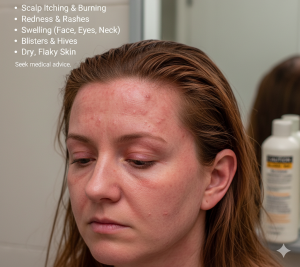
Hair dye allergy symptoms typically appear within 24 to 72 hours after application in previously sensitized individuals. The most common signs include intense itching of the scalp, redness and swelling around the hairline, forehead, eyelids, ears, and neck. Many people experience burning or stinging sensations, blistering, dry and cracked skin, and in severe cases, symptoms can escalate to hives, throat tightness, difficulty breathing, and even anaphylaxis.​

One documented case involved a woman who had been using the same hair salon and hair dye for many years when she suddenly developed anaphylaxis, experiencing throat tightness and trouble breathing shortly after application. These severe reactions highlight why understanding and preventing hair dye allergies is crucial for regular users.​

Why Chemical Hair Dyes Cause Sensitization

Permanent hair dyes work by penetrating the hair shaft using ammonia and hydrogen peroxide, along with aromatic amines like PPD that act as color developers. While approximately 80% of PPD that penetrates the skin undergoes acetylation and becomes inactive, the remaining oxidized PPD creates reactive compounds that trigger allergic responses in susceptible individuals. Hairdressers face particularly high risks because of continuous exposure to these allergic substances, making them prone to contact dermatitis and skin sensitization.​

The cumulative nature of chemical exposure means that each application increases your sensitization risk, even if you’ve never had a reaction before. Additionally, other ingredients in conventional hair dyes, such as 2-methyl-5-hydroxyethylaminophenol and various aromatic amines, can cause skin irritation and allergic contact dermatitis.​

Safe Alternatives for Allergy-Prone Individuals

If you’ve developed a hair dye allergy or want to prevent one, switching to natural and organic hair colours is your safest option. Plant-based hair colors use ingredients like henna, indigo, amla, aloe vera, and chamomile that nourish your scalp while providing beautiful color without triggering inflammatory immune responses. These herbal formulations have shown significantly reduced sensitization rates and much lower skin permeability compared to PPD-containing products.​

Organic hair dyes work through a layering process rather than chemical penetration, coating each strand with natural pigments derived from sun-dried roots, leaves, flowers, and barks. This gentle approach not only prevents allergic reactions but also leaves your hair shinier and healthier with the nutritive benefits of plant extracts. For those seeking specific shades, calendula and hibiscus can deepen red tones, chamomile works beautifully for blonde hair, and rhubarb root helps cover gray naturally.​

Prevention and Patch Testing

Whether you’re using chemical or natural hair color, always perform a patch test 48 hours before full application. Apply a small amount of the dye to the inside of your elbow, wrist, or behind your ear, cover it with a plaster to keep it moist, and monitor for any redness, itching, or swelling. This simple precaution can prevent severe allergic reactions and help you identify sensitivities before they become dangerous.​

Creating consumer awareness about hair dye contact sensitivity and the significance of pre-use sensitivity testing is urgently needed to prevent widespread allergic reactions. If you experience any symptoms during a patch test or while coloring your hair, rinse immediately with cool water and discontinue use.​

Making the Switch to Organic Hair Colour

Transitioning from chemical to organic hair colour is easier than you might think and offers long-term benefits for both your health and hair quality. Organic formulations provide lasting color while conditioning your hair with natural ingredients that strengthen rather than damage your strands. Unlike conventional dyes that strip away your hair’s natural oils and proteins, plant-based colours are enriched with antioxidants, vitamins, and minerals that improve hair texture and shine over time.​

For individuals who have already developed PPD allergies, organic hair colors represent not just an alternative but often the only safe option for continuing to color their hair. These eco-friendly and sustainable solutions deliver impressive shimmering hair color without the cumulative health risks associated with repeated chemical exposure.​

Hair dye allergies can indeed develop over time due to repeated chemical exposure and immune system sensitization, but you don’t have to give up coloring your hair. By understanding the risks, recognizing early symptoms, and choosing natural alternatives, you can continue enjoying beautiful hair color safely and sustainably.

How Hair Color Works: Penetration vs layering in Organic and Synthetic Chemical Dyes

How Hair Color Works: Penetration vs layering in Organic and Synthetic Chemical Dyes

When it comes to coloring your hair, the choice between organic hair colour and chemical hair colour goes far beyond just ingredients. It’s about how each color interacts with your hair. The secret lies in two distinct techniques — layering and penetration. Understanding these can help you choose what’s best for your hair’s health, longevity, and appearance.

What Are Hair Coloring Techniques?

Before diving deeper, let’s clarify the science behind the two primary coloring methods — layering and penetration.

  • Layering: The color coats the hair shaft, forming a protective herbal layer without altering the natural structure of your hair.
  • Penetration: The color penetrates deep into the cortex of your hair by opening the cuticle using chemicals.

These differences affect not only how vibrant and long-lasting the color appears, but also how healthy your hair remains after coloring.

Chemical Hair Colour and Penetration

Chemical hair dyes rely on penetration technology — a process that changes the natural pigment of your hair through chemical reactions.

How Chemical Hair Dyes Work

  • Cuticle Opening: Chemicals like ammonia lift the outer cuticle layer of the hair to allow color molecules to enter.
  • Color Penetration: The dye then reacts inside the hair cortex with peroxide or other oxidizing agents, replacing your natural pigment with artificial color.
  • Permanent Change: Once the color molecules are fixed, the hair shade becomes long-lasting — sometimes even permanent.

Impact on Hair Health

While this method delivers vibrant and lasting results, it often comes at a cost. Repeated chemical exposure can lead to:

  • Weakened hair strands
  • Dryness and breakage
  • Scalp sensitivity

Essentially, the more deeply the dye penetrates, the greater the structural impact on hair integrity.

Organic Hair Colour and Layering

Unlike chemical dyes, organic hair colours — like Radico Colour Me Organic and Radico Sunab — use the layering technique.

How Layering Works

Natural ingredients such as Henna, Indigo, Amla, Bhringraj, and Brahmi coat the outer layer of your hair without disturbing its natural pigment.
Instead of forcing their way in, these plant-based pigments bind gently to the hair surface, creating a natural color shield.

Benefits of Layering

  • Preserves hair strength and texture
  • Adds natural shine and volume
  • Improves overall scalp health over time
  • Fades gracefully without harsh lines

It’s color and care in one — a balance that chemical hair colors can rarely achieve.

Key Differences: Layering vs Penetration

Feature Organic Hair Colour (Layering) Chemical Hair Colour (Penetration)
Color Technique Coats hair surface Penetrates into cortex
Ingredients Herbs and botanical extracts Ammonia, peroxide, synthetic pigments
Hair Health Nourishes and strengthens Can weaken or damage over time
Durability Gradually fades, blends naturally Long-lasting but may cause dryness
Scalp Sensitivity Gentle, suitable for sensitive scalp May irritate or inflame skin
Look and Feel Natural, soft shine Intense, artificial tone

Benefits and Drawbacks of Each Method

Chemical Hair Colour

Advantages

  • Wide range of color options, including lightening shades
  • Long-lasting vibrancy

Disadvantages

  • May cause dryness, damage, and scalp irritation
  • Requires frequent touch-ups and intensive aftercare

Organic Hair Colour

Advantages

  • Gentle, suitable for sensitive scalps
  • Improves hair health with continued use
  • Eco-friendly and free from harsh chemicals

Disadvantages

  • Cannot lighten hair color
  • Slightly shorter durability compared to chemical dyes

How to Choose Between Organic and Chemical Hair Colour

When deciding between organic and chemical coloring, consider:

  • Hair Health: If your hair is dry, damaged, or sensitive — go organic.
  • Desired Results: For natural tones and herbal nourishment, choose layering; for dramatic color changes, penetration might suit better.
  • Maintenance: Organic color requires simple care and fades gracefully, while chemical colors demand regular upkeep.

Tip: If you’re new to hair coloring or have experienced irritation from conventional dyes, start with a 100% organic hair colour like Radico Colour Me Organic or Radico Sunab.

Conclusion

The true difference between organic and chemical hair coloring lies in how they interact with your hair. While chemical colors penetrate deeply for bold results, they may compromise your hair’s health over time. In contrast, organic colors layer naturally, protecting and enhancing your hair’s vitality with every application.

At Radico, we believe that beauty should never come at the cost of well-being.
Explore our allergy safe hair colour range — where nature meets color, and your hair stays naturally beautiful.

Why ‘Ammonia-Free, No PPD, No Paraben’ Doesn’t Mean Organic

Why ‘Ammonia-Free, No PPD, No Paraben’ Doesn’t Mean Organic

When shopping for hair colour, you might notice labels like “Ammonia-Free,” “No PPD,” or “Paraben-Free.” These claims often imply that the product is safer or healthier. While it’s true that avoiding certain chemicals can reduce irritation or allergic reactions, these labels alone do not make a product truly organic. Let’s break down the differences and help you make informed choices.

What These Labels Actually Mean

Ammonia-Free

Ammonia is a chemical commonly used in hair dyes to open the hair cuticle for color penetration. Its removal can:

  • Reduce strong odors.
  • Minimize scalp irritation.

However, many ammonia-free products replace it with alternative chemicals like MEA (monoethanolamine). This means the formula may still contain synthetic ingredients, which doesn’t qualify it as organic.

No PPD (Para-Phenylenediamine)

PPD is an allergenic dye chemical that can cause reactions in sensitive individuals. Its absence may lower allergy risk, but other synthetic colorants can still be present. Avoiding PPD alone does not make a product organic.

No Paraben

Parabens are preservatives linked to hormone disruption and other health concerns. Paraben-free products may use other synthetic preservatives instead. The label doesn’t indicate that all ingredients are plant-based or organically sourced.

What “Organic” Really Means

True organic hair colour goes far beyond removing a few chemicals.

Organic Certification Standards

To be considered organic, ingredients must be:

  • Grown without synthetic pesticides, fertilizers, or GMOs.
  • Processed without artificial additives or chemical solvents.
  • Certified by recognized agencies like USDA Organic, ECOCERT, COSMOS,  India Organic, Made Safe, or Vegan

Regulatory Oversight

Certified organic products often display official seals. Without certification, even products marketed as “natural” or “chemical-free” may still contain non-organic or lab-made ingredients.

Ammonia-Free vs. Organic: A Quick Comparison

Feature Ammonia-Free / No PPD / No Paraben Certified Organic Hair Colour
Chemical Avoidance Only certain chemicals removed All synthetic chemicals excluded
Ingredient Source May include synthetic dyes or preservatives Plant-based, organically grown
Certification Usually none USDA Organic, ECOCERT, COSMOS, India Organic, etc.
Safety Gentler on scalp / fewer irritants Gentler + non-toxic + allergy-safe
Regulatory Oversight Minimal Strict, third-party verified

Common Misconceptions

  • “Ammonia-Free = Organic” → Not true; removal of ammonia doesn’t ensure organically sourced herbs.
  • “Natural-Inspired” or “Herbal” → Marketing terms; check for certification.
  • “Chemical-Free” → Only certain chemicals are removed, not all synthetic compounds.

How to Make Informed Choices

When shopping for hair colour, consider asking:

  1. Is the product certified organic by a recognized agency?
  2. Can the brand provide a full ingredient list with sourcing information?
  3. Are there official seals like USDA, ECOCERT, Cosmos or India Organic on the packaging?
  4. Does the brand disclose how the herbs are processed to maintain purity?

By verifying these points, you ensure that the product is genuinely organic, safe, and free from unnecessary synthetic chemicals.

FAQ

Q1: Does “Ammonia-Free” make hair color safe for allergies?
A: It may reduce irritation, but allergies can still occur from other synthetic ingredients.

Q2: Can a “No PPD” product be fully natural?
A: Not necessarily; other chemicals may still be used.

Q3: How do I know if hair color is truly organic?
A: Look for recognized certifications and transparent ingredient sourcing.

Conclusion

Labels like Ammonia-Free, No PPD, No Paraben may make products gentler, but they do not guarantee authenticity or organic status. True organic hair color requires certified, plant-based ingredients and strict regulatory oversight. Always check for official seals, complete ingredient transparency, and trustworthy sourcing before choosing your hair color.

Radico offers 100% certified organic hair colours, crafted with natural herbs and free from harmful chemicals, ensuring safety, purity, and gorgeous results for every hair type.

From Nature to Your Roots: The Journey of Radico Organic Hair Color

From Nature to Your Roots: The Journey of Radico Organic Hair Color

Coloring your hair shouldn’t feel like a chemical experiment. But for a lot of us, it has. The sharp smells, the burning sensation, the after-color regret? Yeah, been there.

Now let’s imagine something different, something softer, gentler, more in tune with your body and the planet.
That’s where Radico 100% Organic Hair Color comes in. It’s not just hair color. It’s a full-circle journey from Earth to you, from roots to soul.

Beginnings Matters The Most

Before a single strand of your hair gets in touch with color, Radico starts in the richest soil, untouched by chemicals or shortcuts.

We source our herbs – Henna, Indigo, Amla, Bhringraj, Neem – straight from organic farms that are as pure as your intentions. These herbs have been trusted for generations. They’re not trends; they’re timeless.

They don’t just color your hair – they heal, strengthen, and love your scalp like no synthetic dye ever could.

Ingredients Benefits

Radico is Certified Organic by USDA, ECOCERT, and India Organic. That means every single ingredient is vetted, pure, and kind to your body.

No ammonia, no PPD, no peroxide, and absolutely no parabens. It’s gentle enough for sensitive skin, safe enough for expecting moms, and strong enough to cover stubborn greys naturally.

Nature’s Palette 24 Shades 

Worried that going natural means boring color? Not on our watch. Radico offers shades like soft black, brown, auburn, and burgundy, all derived from plant pigments, not lab-made dyes. Your hair gets to keep its natural vibe, with just the right pop of color.

No harsh lines, no fake-looking finish. Just rich, real beauty that grows more radiant with every application.

Sustainable Trend

We don’t just say we care about the planet, we build our entire process around it.

From compostable packaging to zero-waste production, Radico honors both nature and the people behind it. We support fair trade, rural employment, and farming communities that keep these traditions alive.

Because real beauty doesn’t take, it gives back.

Reviews of our customers

No paid reviews. Just humans who made the switch and never looked back:

“I have super sensitive skin, and Radico was the only color that didn’t cause a reaction.”
“My hair actually feels better after using this. Softer, shinier… who knew hair color could be self-care?”
“Finally found a plant-based hair dye that actually covers grey, without the headache.”

Why Radico Is Winning

More and more people are searching smart these days. Not “cheap hair dye,” but things like:

  • Best organic hair color
  • Chemical-free hair dye
  • Natural hair color for sensitive scalp
  • Herbal hair dye for grey hair
  • Henna and indigo hair color

And guess who’s showing up front and center? Radico. Because what we offer isn’t just safer, it’s better.

It’s Not Just Hair. It’s Your Crown.

Your hair isn’t just a style. It’s your story. It’s your power. So why hand that over to chemicals?

Radico Organic Hair Color lets you reclaim your roots, literally and spiritually. With every strand, you’re saying yes to health, yes to nature, yes to yourself.

So the next time you’re holding that box dye and second-guessing it? Trust your gut. Trust the Earth.

Choose Radico.
Let your roots bloom with purpose.

What Makes Radico Colour Me Organic Hair Colors Truly Damage-Free?

What Makes Radico Colour Me Organic Hair Colors Truly Damage-Free?

If you’ve ever dyed your hair the traditional, chemical way, you probably know the story: apply the color, wait it out, rinse and just like that, you’re a new shade. Sounds simple, right? But here’s the not-so-pretty truth: behind the quick results lurk ammonia fumes, burnt-out strands, and a texture that feels like your hair just came back from battle. Chemical dyes work by penetrating deep into the hair shaft, disrupting its natural structure to force artificial pigment inside. Fast? Yes. Kind to your hair? Not so much.

Now enter Radico 100% Organic Hair Color, a gentler, wiser way to color. No ammonia, no peroxide, no synthetic dyes. Instead, you get a thoughtful blend of Pure herbs like Henna, Indigo, Amla, Bhringraj, each one nourishing, protecting, and enhancing your hair’s natural beauty. Radico doesn’t Break In, it Wraps Around. It doesn’t take from your hair, it gives back. And when you pair this philosophy with the layering method? That’s when the transformation becomes something truly extraordinary.

So, What Is the Layering Method?

Imagine painting a masterpiece, not in one rushed coat, but with patient, deliberate strokes. That’s what the layering method is all about. It means applying Radico’s organic hair color in multiple sessions, rather than trying to get dramatic results in a single go.

Each layer builds on the last, deepening the pigment, enhancing the richness, and giving your hair more time to drink in all the herbal goodness. It’s not just coloring; it’s caring.


Why the Layering Method Works So Beautifully with Radico

1. It’s All-Natural

Unlike chemical colors that force their way in, Radico’s plant-based pigments gently coat each strand. And because it’s made of real herbs, the results take time, but trust us, they’re worth it. Layering lets your hair absorb the color gradually and gracefully, delivering shine and shade without any damage.

2. Better Coverage for your Grays

Gray hairs? They’ve got an attitude. They resist, they peek through, they don’t always play along. But with layering, you give them time to soften up. Many Radico users find that two well-placed applications bring out a natural, rich tone that blends beautifully, without harsh lines or fake-looking flat color.

3. More Depth, Dimension.

Instead of a bold blast of color that fades like a summer fling, the layering method offers a slow-build love affair. Each application deepens the tone, helps the color bind better to your hair, and creates that soft, multi-dimensional finish you usually only get from professional salon magic.

4. Healthier Hair In Every Layer

Here’s the twist: with chemical dyes, the more you color, the more damage you do. But with Radico? The more you layer, the stronger and shinier your hair becomes. That’s the magic of ingredients like Amla and Bhringraj, they don’t just color, they repair, nourish, and revive. So you’re not just getting color. You’re getting care.


How to Use the Layering Method with Radico

Don’t worry, it’s not complicated. Here’s how to layer like a pro:

  1. Do a strand test
    Always play it safe. Especially if it’s your first time using organic color.
  2. Apply the first layer
    Mix your Radico shade as directed, apply it evenly, and leave it on for 60–90 minutes. Rinse with water only, no shampoo.
  3. Wait 24 to 48 hours
    Give your hair time to oxidize. The true tone develops after a day or two. Be patient, this is where the magic brews.
  4. Go in with your second layer
    Reapply the same color, or mix it up with a complementary shade for more depth. Leave it on again for 60–90 minutes.
  5. Rinse and revel
    You’ve just layered in color, strength, shine, and nature’s best. No damage. No drama. Just beautifully colored, happy hair.

Pro Tips for Stunning Results

  • Warm up your mix
    A warm paste releases the herbs’ pigment more effectively. Especially important with Henna and Indigo.
  • Be consistent
    For lasting results, layer slowly over time, don’t rush it all in one session.
  • Choose your base wisely
    Start with a neutral or warm base like Soft Black or Copper Brown, then follow up with your desired final tone for more nuanced results.

Final Thought

This isn’t just hair color, it’s a moment of intention. A small act of self-care that says, “I choose gentleness. I choose wellness. I choose beauty that doesn’t cost me my health.” With Radico and the layering method, coloring your hair becomes a ritual, a way to connect with your roots (literally and figuratively) and give your hair the kind of love that lasts.

So go ahead. Take your time. Build your color. Layer in the goodness.
Your hair will shine brighter, your grays will fall in line, and your future self will thank you for going natural, slow, and strong.


Ready to Try the Layering Method with Radico?

Find your perfect organic shade here and start layering love into every strand.

Organic Hair Colour vs. 100% Organic Hair Colour: What’s the Real Difference?

Organic Hair Colour vs. 100% Organic Hair Colour: What’s the Real Difference?

Organic Hair Colour vs. 100% Organic Hair Colour: What’s the Real Difference?

In today’s Beauty world, The word “Organic” is everywhere—From Skincare to Haircare. But not all “Organic” products are created equal. When it comes to hair colour, There’s a big difference between “Organic Hair Colour” and “100% Organic Hair Colour.”

If you’re trying to choose the safest, Most natural option for your hair, This blog is for you.

What Does “Organic” Really Mean in Hair Colour?

The term “Organic” is often used loosely in marketing. In many countries, Brands can label a product as “Organic” even if only a small percentage of ingredients are natural, while the rest can still be synthetic.

That’s why it’s important to understand the distinction between:

Organic Hair Colour: May contain some natural or plant-based ingredients but can still include chemicals like PPD, ammonia derivatives or preservatives.

100% Organic Hair Colour: Made from only plant-based, Certified organic ingredients—No chemicals, No toxins, No compromise.

Why 100% Organic Is the Safer Choice

Here’s why choosing 100% certified organic hair colour is smarter:

1. No harsh chemicals → safer for people with allergies, scalp issues, or sensitive skin.

2. Eco-friendly → made with biodegradable, cruelty-free ingredients.

3. Nourishing to hair → instead of damaging, these colous use layering techniques that improve texture and shine over time.

4. Certified by trusted bodies → like ECOCERT, Vegan, Certclean Organic and more.

One leading example is Radico Colour Me Organic which uses ingredients like Henna, Indigo, Amla and Bhringraj—All scientifically tested and certified 100% organic.

Don’t Be Fooled by Greenwashing

If a product claims to be “Organic” but doesn’t list clear certifications or includes suspicious chemical names, It’s likely not 100% organic. Always read the ingredients and look for certified logos on the packaging.

If you’re simply looking for a “cleaner” alternative to chemical hair dye, Organic hair colour might feel like a step in the right direction. But if you want to truly protect your hair, health, and the environment, 100% organic hair colour is the real deal.

Where to Find 100% Organic Hair Colour

Explore a wide range of certified organic shades—like Brown, Soft black, Wine Red and more—at:

👉 www.radicomall.com

Because when it comes to your health, 100% Matters.